
Coffee is woven into my daily routine, and it can fit nicely into a weight loss plan when I pay attention to what goes into my cup. I often hear that drinking coffee might make it tough to stick to a healthy diet, but most of the trouble comes from add-ins like sugar, syrups, or heavy cream. With just a few small tweaks, I can enjoy coffee without making it harder to reach my goals.
Understanding Coffee and Its Place in a Weight Loss Plan
Black coffee by itself adds almost no calories—usually less than five per cup. Caffeine can offer a mild boost in alertness and energy, which can be helpful on busy days or for an early workout. The main trouble for weight loss often comes from the extras, not the coffee itself.
Coffee culture is everywhere. Cafés offer giant flavored drinks filled with whipped cream and syrups that can easily add 200 to over 600 calories per serving, which adds up to more than a light breakfast. These calories can sneak up quickly, especially if I grab one or two per week without realizing what’s really in them. Even homemade coffee can be a sneaky calorie source if I pour in lots of sugar, flavored creamer, or half and half.
Studies show that moderate coffee drinking is not linked to weight gain, and some research even hints that coffee might help a bit with appetite control or energy expenditure. Everyone reacts a bit differently to caffeine, so I pay attention to how it makes me feel.
Simple Ways to Drink Coffee Without Derailing Weight Loss Goals
Making coffee work for my weight loss adventure is more about habits than strict rules. Here are some tips that help:
- Choose Black Coffee Most Often: Black coffee is low in calories and carbs. If adding milk, I stick with a splash of lowfat or plant-based milk instead of heavy cream or full fat dairy.
- Measure and Limit Extras: When I need a sweeter cup, I use a teaspoon (or less) of sugar instead of guessing. Keeping sweeteners measured helps me track how much I’m really adding.
- Skip Flavored Syrups and Whipped Cream: Flavored syrups and whipped or heavy cream bring more calories and sugar. I skip or limit them and look for natural flavor from cinnamon, vanilla extract, or unsweetened cocoa powder.
- Experiment with Alternative Sweeteners: Some lowcalorie or zerocalorie sweeteners—such as stevia or monk fruit—add sweetness with fewer calories. I try them out and see which ones taste best to me.
Quick Start Guide to Weight Loss Friendly Coffee Habits
Building good coffee habits gets easier with consistency. Here are steps I’ve found useful:
- Start with Good Coffee: Highquality ground coffee or freshly roasted beans often have a natural sweetness, which helps me enjoy coffee with fewer extras.
- Use Smaller Cups: When I crave a second serving, smaller mugs naturally help me keep my portion size under control.
- Gradually Reduce Sugar: If I’m used to sweet coffee, I slowly cut back so my taste buds can catch up. Cutting back by half a teaspoon each week makes a big difference over time.
- Create a Routine: I plan my coffee time so it doesn’t replace meals or snacks, but works as a small energy boost or mindful break.
- Plan Coffee Around Meals: Drinking coffee after breakfast can help avoid jitters and reduce cravings for sweet extras on an empty stomach.
Things to Keep in Mind When Drinking Coffee on a Diet
There are a few issues to watch out for when I drink coffee as part of my weight loss plan. These common concerns can be handled by paying attention to how my body feels and being mindful of my choices.
- Late Day Coffee and Sleep: Having coffee in the afternoon or evening can make it tougher to fall asleep, leading to tiredness and worse food choices the next day.
- Hidden Calories: Coffee drinks from popular shops may contain more sugar and fat than I realize. I check the nutrition information before ordering or make simpler versions at home so I know what goes in.
- Caffeine Sensitivity: Every person tolerates caffeine a little differently. Some people feel jittery, anxious, or get an upset stomach from too much. If that happens, I switch to decaf or keep my intake at one or two cups per day.
- Replacing Meals with Coffee: Using coffee to skip meals leaves me hungry, tired, and more likely to overeat later. I treat coffee as a beverage, not a substitute for food.
Late Day Coffee and Its Effects
Caffeine blocks a hormone called adenosine, which helps me feel sleepy at night. Too much caffeine, especially later in the day, keeps me awake longer and can disturb my sleep pattern. Poor sleep often leads to greater cravings and more snacking the next day. For this reason, I focus on morning or early afternoon coffee and keep later servings to a minimum.
Hidden Calories in Specialty Drinks
I used to order blended or specialty coffees without realizing how much sugar or fat was inside. Drinks labeled as “sweet cream” or “caramel latte” can contain over twice the calories of a plain brewed coffee with milk. Checking ingredient lists or nutrition facts gives me a much better sense of what I’m drinking and helps me make better choices.
Caffeine Sensitivity
Some friends can drink several cups of coffee with no problem, but I feel jittery after two. If coffee makes me anxious or I get heartburn, switching to halfcaf or decaf helps. Herbal tea and water are also good options for a caffeinefree pickmeup; they let me enjoy a warm beverage without the side effects.
Not Using Coffee to Skip Meals
On busy mornings, I sometimes think about skipping breakfast and relying on a cup of coffee to get by. However, regular meals keep my energy and metabolism steady, while using coffee to replace them usually triggers bigger cravings or overeating later. I remind myself coffee works best as an addition to meals, not a substitute.
Being aware of these habits keeps coffee a simple pleasure and lets me fit it into my diet plan without trouble.
Advanced Tips and Tricks for Coffee Lovers Watching Their Weight
Once I have the basics nailed down, there are a few clever ways to make coffee even more supportive of weight loss. Here are some tricks my friends and I use to stay on track:
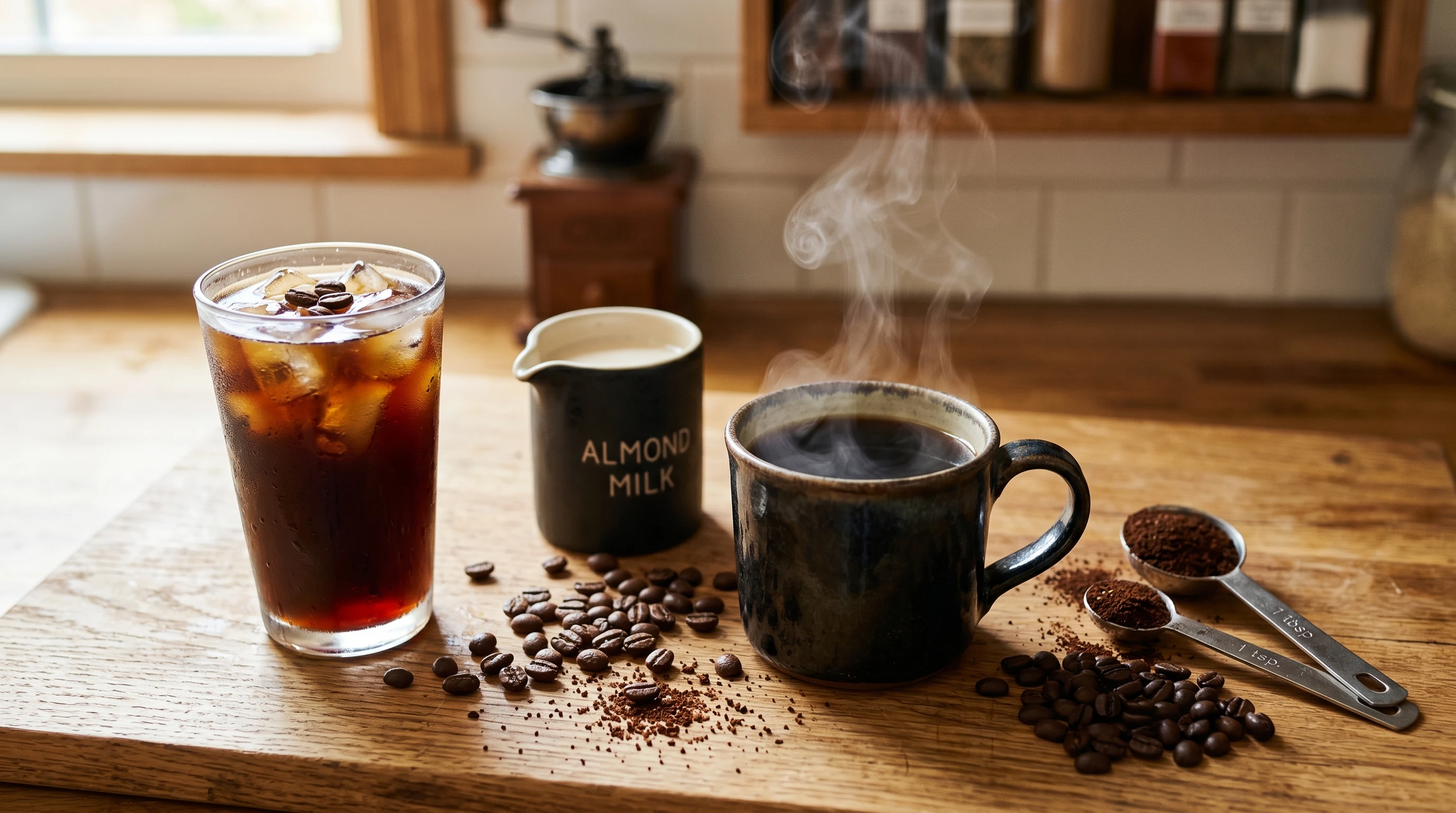
Try Cold Brew or Iced Coffee: Cold brew tends to be less acidic and smoother, making it easier for some people to drink black. Iced coffee is an easy base for lighter drinks, especially when I add a splash of lowfat milk or a couple of ice cubes.
Add Spices for Flavor: A sprinkle of cinnamon, nutmeg, or ginger adds natural sweetness and flavor with zero calories. Stirring a bit into hot or iced coffee can make the drink taste special without piling on sugar or cream.
Batch Brew to Save Time and Calories: Making a big pot of plain coffee at the week’s start means I’m less likely to fall for highcalorie café drinks when I’m pressed for time. I store it in the fridge and pour a cup whenever the mood strikes.
Use Frothy Lowcalorie Milk: Frothing nonfat or plantbased milk with a handheld whisk creates a creamy topping for homemade lattes with fewer calories than whipped cream. Adding it after brewing gives my coffee that special café touch at home.
Trying these ideas mixes things up and helps keep my coffee enjoyable—even when I’m cutting back on sugars and rich addins.
The Basics: Best Coffee Styles for Weight Loss
Certain coffee drinks fit more naturally into a lower calorie lifestyle. Here are some top choices I reach for often:
- Plain Brewed Coffee: Hot or iced, this is always the lowestcalorie option.
- Espresso Shots: Straight espresso is concentrated and bold with minimal calories. I enjoy it plain or as a base for homemade Americanos; that’s just a shot mixed with hot water for a lighter drink.
- Café Americano: An Americano brings espresso and water together to keep it light on calories but still flavorful.
- Coffee with Unsweetened Milk: A splash of skim or plant milk like almond or oat adds creaminess for very few extra calories. Measuring the milk helps me see just how much I’m adding and keeps things in tune with my goals.
Mixing in herbs or spices gives extra flavor options with no bump in calories.
Frequently Asked Questions
I get a lot of questions from friends and readers about drinking coffee while trying to lose weight. Here are some practical answers based on my own experience and research.
Question: How much coffee is okay for weight loss?
Answer: Most research points to two to four cups per day as reasonable for healthy adults. I watch for any jitteriness or trouble sleeping and adjust as needed.
Question: Are sugar substitutes safe for coffee?
Answer: Most nonnutritive sweeteners are considered safe for use within recommended amounts, according to health authorities like the FDA. I pay attention to how I feel after using them and ask a healthcare professional if I have concerns.
Question: Which plant based milks are lowest in calories?
Answer: Unsweetened almond milk, cashew milk, or coconut milk are generally very low in calories—often just 25 to 40 per cup. I always check that I’m buying the unsweetened version, since some types add extra sugar I might not want.
Final Thoughts on Coffee and Weight Loss
Coffee can be a comforting and satisfying part of my day, even as I work toward weight loss. Building small habits like reaching for smaller mugs, skipping sugary extras, and being aware of how coffee makes me feel helps keep me on track without missing out on something I love. With mindful choices, coffee fits right into my goals and adds a special touch to my routine along the way.