
Most of us know someone who swears by tea or coffee when it comes to staying slim. With so many opinions and so much marketing around both drinks, figuring out the real role of tea and coffee in weight loss can get confusing. I have tried both in my own weight management ride and decided to explore what science actually says. I’ll break down what each drink offers and how they might help you lose weight.
Understanding How Tea and Coffee Affect Weight
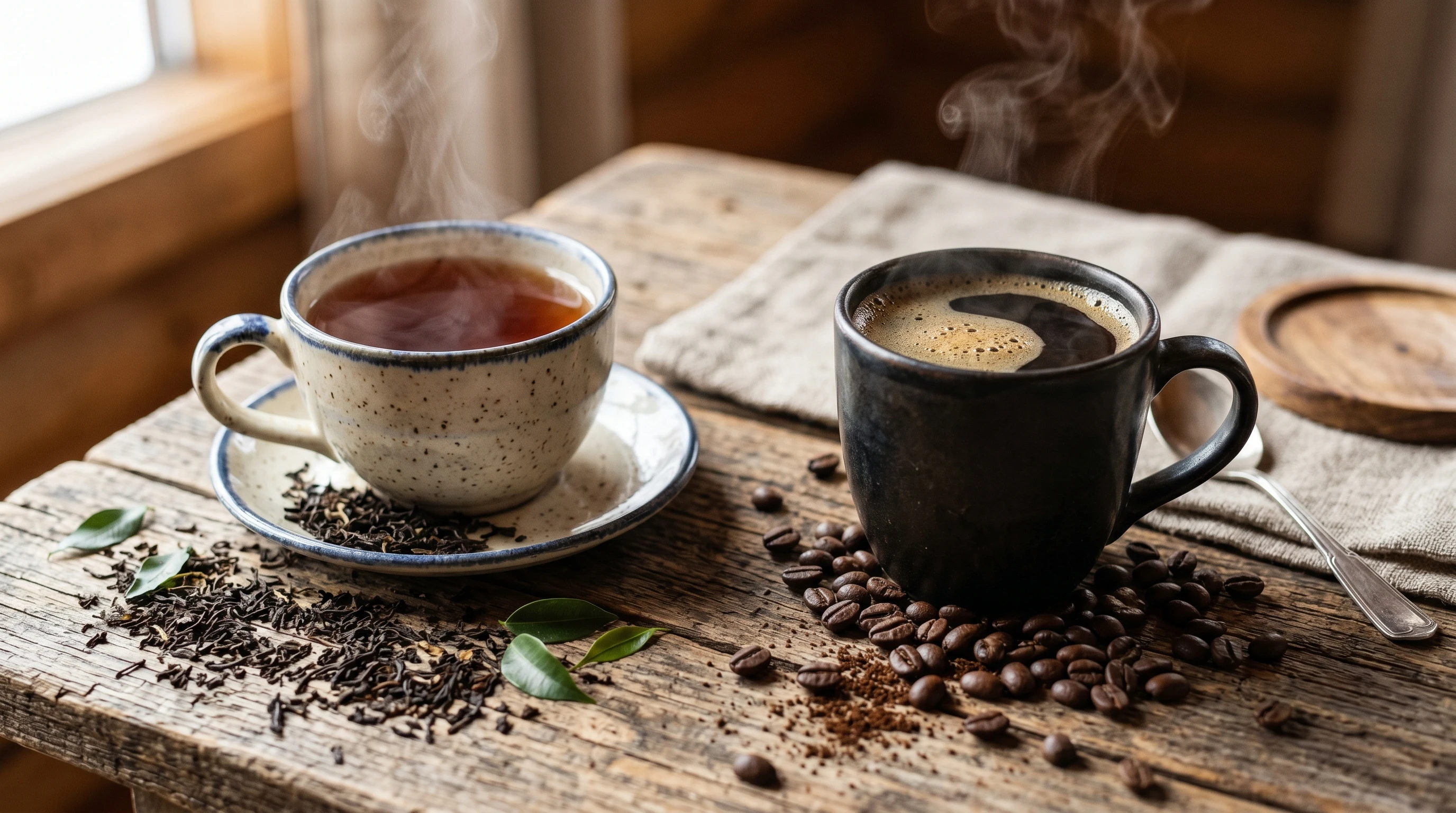
Tea and coffee are two of the most consumed beverages around the world, and both have long been connected to various health benefits. Caffeine is the key component in both drinks that often gets credit for weight loss effects. Caffeine can help you feel more alert, but it also speeds up the body’s metabolism slightly. That means your body might burn calories a bit faster after drinking these beverages.
Tea, especially green tea, contains compounds called catechins. These antioxidants are believed to work together with caffeine to boost fat burning. Coffee, on the other hand, is higher in caffeine and contains chlorogenic acid, another compound that may have positive effects on metabolism and fat burning.
Deciding which one helps more depends on factors like how often you drink them, how your body responds, and what you add to your cup. Sugary additions and fatty creamers can cancel out any benefits quickly.
How Caffeine Supports Weight Loss
Caffeine is one of the main reasons both tea and coffee might make it easier to lose weight. I notice a burst of energy and a slight reduction in appetite after drinking a cup of either, especially coffee. Research backs this up. Caffeine can temporarily increase metabolism and the number of calories your body uses at rest (study: NCBI).
For most people, caffeine’s effects are mild but noticeable. Drinking a cup of coffee can make your workout feel easier, which can help burn more calories. Caffeine can also help you stay physically active for longer.
Keep in mind that everyone reacts differently. Some people feel jittery or get sleep problems if they have too much. Drinking caffeine late in the day can also disrupt sleep, and poor sleep is often linked to weight gain.
Why Tea Is Still Worth Considering
Although coffee is much higher in caffeine, tea has its own perks for those hoping to lose weight. I’ve found green tea to be a gentle way to get a small caffeine boost without the edginess coffee can bring. Green tea, in particular, is full of catechins. These compounds have been found to increase fat burning, especially during exercise (Healthline: Green Tea for Weight Loss).
Different teas offer different benefits:
- Green tea: Contains the most catechins and a moderate amount of caffeine, making it a popular choice for fat loss support.
- Black tea: Higher in caffeine than green tea, but with different antioxidants. Some studies suggest it also assists with weight management.
- Oolong tea: Falls between green and black, with a unique mix of caffeine and antioxidants.
- Herbal teas: Usually caffeine less, so don’t directly influence weight, but some (like peppermint) may help reduce appetite naturally.
Steeping time, water temperature, and tea quality can change the amount of bioactive compounds you actually get. I always use fresh tea leaves and let them steep long enough for the full flavor and benefits to develop.
Another merit of tea is that it comes in a wide variety of flavors, from fruity blends to earthy classics. This mix in some variety keeps things interesting and makes it easier to stick to healthy habits. Some people also find that sipping hot tea can be soothing, which may help lower stress and keep emotional eating in check. Whether you prefer a classic green tea, a strong black cup, or an herbal blend, going for unsweetened options lets you enjoy the benefits without extra calories.
Comparing Coffee’s Weight Loss Effects
Coffee stands out for those who want a strong caffeine boost. When I have a cup before working out, it feels easier to do cardio or strength exercises, and I notice I can push myself a bit more. This lines up with studies showing that caffeine, at the amounts found in coffee, raises adrenaline levels and prepares the body to burn more fat (Harvard: The Nutrition Source).
Black coffee is naturally very low in calories. The real risk comes from high-calorie add-ins like flavored creamers, syrups, or loads of sugar. These can turn a simple coffee into a dessert, making it much harder to lose weight.
For coffee to help with weight loss, try to drink it black or just with a little milk. Avoid adding large amounts of sugar, heavy creams, or high-calorie flavorings.
One more thing to consider with coffee is its strong aroma and rich flavor. These can help satisfy cravings for a treat, especially when you pick a fresh, quality bean. Enjoying coffee in moderation, rather than gulping down large amounts, is essential. If you often stop by coffee shops, ask for your drink without syrups and limit whipped cream or frothy sugary toppings. Home brewed coffee lets you control both the strength and calorie content more easily.
Potential Drawbacks and Things to Watch Out For
No drink alone can replace healthy eating and regular activity. Here are some things I pay attention to when using tea or coffee for weight loss:
- Caffeine Sensitivity: Some people feel jittery, anxious, or get headaches from just a small amount. Large amounts of caffeine can also upset the stomach or make sleep harder to get.
- Hidden Calories: Bottled iced teas and coffee shop drinks are often full of added sugar and cream. These extras can end up adding hundreds of calories each day.
- Sleep Disruption: Having coffee or strong tea in the late afternoon or evening can disturb your sleep cycle, making you feel hungrier and slowing down weight loss.
- Addiction Risk: Relying too much on caffeine can lead to dependence, where you feel like you can’t go a morning without it or get withdrawal headaches.
I have learned to keep my tea and coffee intake moderate and to avoid them several hours before bedtime to protect sleep. Choosing unsweetened drinks is an easy way to keep calorie counts low.
Be aware of your body’s signals. If you start to notice heart palpitations, stomach upset, or anxiety, it may be time to tone down your caffeine. Also, staying hydrated with water is important, since both drinks can slightly increase urination.
How to Use Tea and Coffee Effectively for Weight Loss
Here are some easy ways I’ve worked tea and coffee into my own habits without overdoing it:
- Drink mindfully: Use tea or coffee to replace high-calorie snacks instead of adding them on top. Both drinks can help curb cravings, especially when I reach for them midafternoon instead of a sugary treat.
- Skip the extras: Drink them plain or with little milk. This keeps calories low and helps you really taste each sip.
- Hydrate properly: Both drinks are mildly diuretic, so I always make sure to drink plenty of water alongside them.
- Time them wisely: I have my coffee or tea with breakfast and before a workout. I avoid caffeine in the evening, so it doesn’t mess with my sleep.
- Choose quality sources: Whole leaf teas and freshly brewed coffee usually offer the best flavors and most benefit. Avoid sweetened bottled drinks when possible.
It’s also smart to pay attention to how your body feels after drinking tea or coffee. If you notice stomach discomfort or sleeplessness, consider dialing back your size or switching to teas with less caffeine. Making small, steady changes in your routines can add up to big long-term benefits for your health and waistline.
Real-World Examples
I tried swapping my usual sugary afternoon snack for a cup of green tea for a month. I started to notice fewer energy crashes and less hunger between meals. On mornings when I work out early, I grab a black coffee beforehand. It helps me get moving and makes cardio feel less demanding.
Friends who successfully maintain their weight often mention switching from sugary drinks to unsweetened tea or coffee as an easy habit change. This switch can save hundreds of calories each week. For those who find coffee too strong, lightly brewed green or oolong teas can bring some of the same benefits with less chance of feeling jittery.
Some people also like to combine the two by having coffee in the morning and switching to decaf or herbal tea later on. This helps limit total caffeine without losing the comforting ritual of sipping a warm drink. Making these swaps has helped keep my cravings at bay and made sticking to my weight loss goals feel a lot simpler.
Frequently Asked Questions
Here are some things I’m often asked about tea, coffee, and weight loss:
Question: Can I drink both tea and coffee in one day?
Answer: Yes, as long as you don’t overdo the caffeine. Most healthy adults can safely have up to 400 milligrams of caffeine a day; equal to about four cups of coffee or eight cups of tea (FDA Caffeine Guidelines).
Question: Do decaf coffee or herbal teas help with weight loss?
Answer: Decaf and herbal teas don’t have the caffeine boost, but swapping them for high-calorie drinks still reduces calories. Some herbal teas, like peppermint or ginger, might curb cravings for some people.
Question: Which is better for weight loss: black tea or green tea?
Answer: Both have some potential benefits. Green tea has more catechins linked with fat loss, but black tea contains helpful antioxidants too. The main point is to keep them unsweetened and part of a balanced diet.
Key Takeaways for Your Weight Loss Plan
Based on my own experience and what current research suggests, both tea and coffee can support weight loss if you drink them plain and make them part of a healthy lifestyle. Neither is a magic solution, but they can make it a bit easier to stick with good habits, curb cravings, and give you a slight metabolic boost. Paying attention to how your body responds and avoiding extra calories from sugars and creamers makes a real difference.
Tea offers a gentler option with unique antioxidants and less caffeine, while coffee provides a quick energy burst and may help your workouts feel easier. Whichever you choose, consistency and moderation are really important for long-term results. Making tea or coffee a healthy part of your routine, rather than a sugar-laden habit, can help you stay on track with your weight goals.